Paid Acquisition Case Study — Revive Real Estate
How a New Offer Dropped
Cost-Per-Lead by 85%
Building a full-funnel paid acquisition engine from scratch — offer strategy, channel mix, mid-funnel infrastructure, and attribution.
Max Marker
Growth Marketing Leader
Prepared for Osmind
01 — Context
The Company
Who is Revive, and why did paid acquisition matter?
Revive is a residential real estate renovation company based in Southern California. They offer homeowners a suite of selling options — AI-powered renovation financing, a free Home Analysis Report, and an instant cash offer — with the goal of maximizing home sale value. The business was built primarily on agent referrals. My mandate was to build a direct-to-consumer acquisition engine that could scale beyond the referral network.
Company Stage
Series A / Growth
Transitioning from agent referrals to direct-to-consumer at scale
Market
Residential Real Estate
Competing with Opendoor, Offerpad, and traditional brokerages
Revenue Model
Transaction-Based
Commission on each closed renovation deal or standard listing
01 — Context
The Business Goal
What success looked like, and how paid media fit in
The Mandate
Generate qualified homeowner leads profitably. Build the infrastructure to convert them. Prove a repeatable cost-per-deal that justified scaling spend beyond what referrals alone could deliver.
Acquisition Stack
02 — How I Built It
Where We Started
Three compounding problems that made scaling impossible
Problem 1 — Cost
$230 CPL
The average cost per lead was $230 with no clear path to improvement. Campaigns were technically optimized — audiences, bids, and budgets were dialed in. The issue wasn't execution; it was the offer itself.
Problem 2 — Offer
Wrong Ask
The primary call to action was "Schedule a Consultation" — high commitment, zero value delivered upfront. We were asking homeowners to trust us before we'd earned it. The offer needed to flip: deliver value first, ask for commitment second.
Problem 3 — Visibility
No Attribution
Zero visibility from ad click to closed deal. CPL was the only metric we had. We had no idea which lead sources were actually producing revenue — only which ones looked cheap at the top of the funnel.
02 — How I Built It
The Offer Shift
The biggest lever wasn't targeting or creative — it was the ask
Before
"Schedule a Consultation"
High commitment. No value delivered first. CPL: $230.
Home Analysis Report
Free AI-powered home valuation showing current vs. potential value after renovations. Zero friction, instant value.
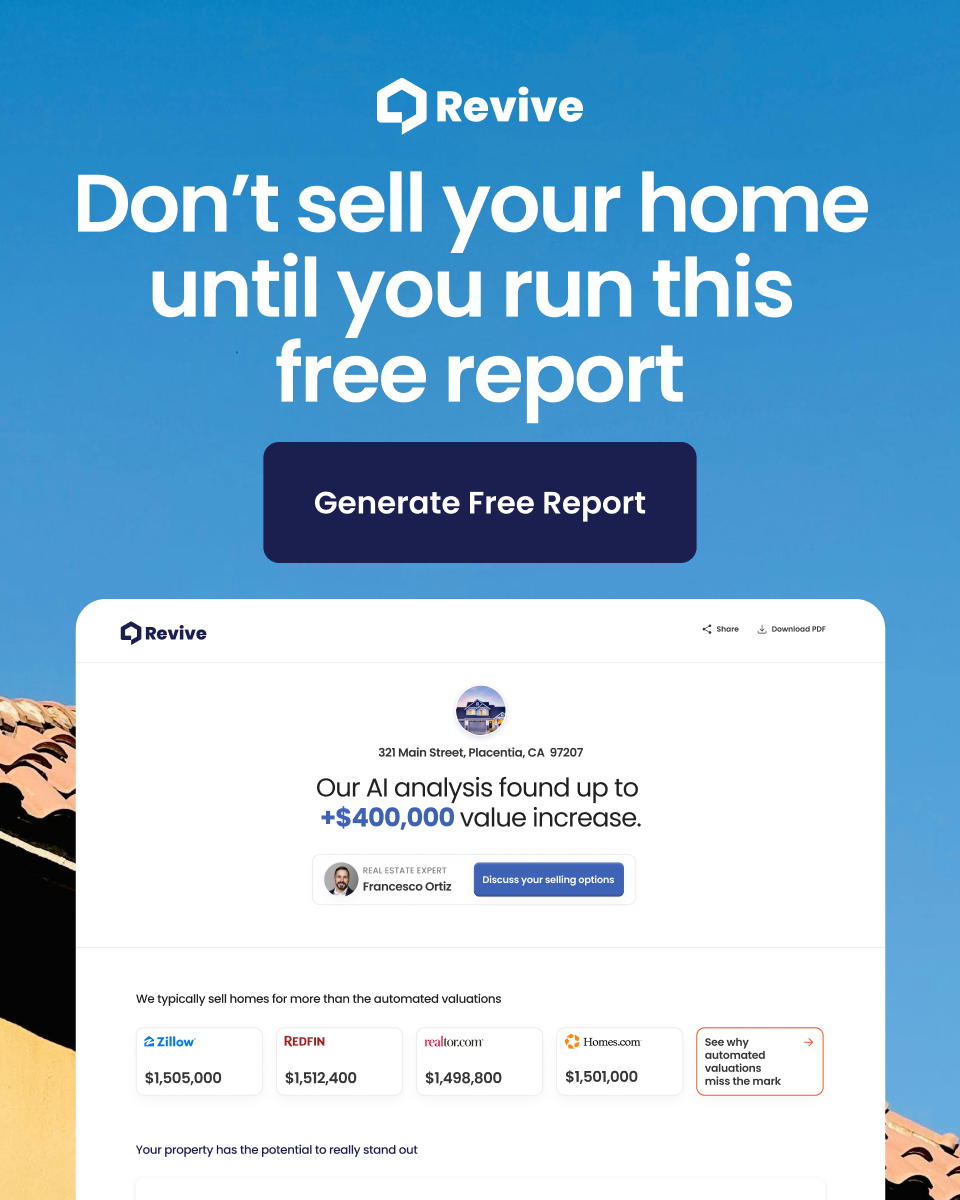
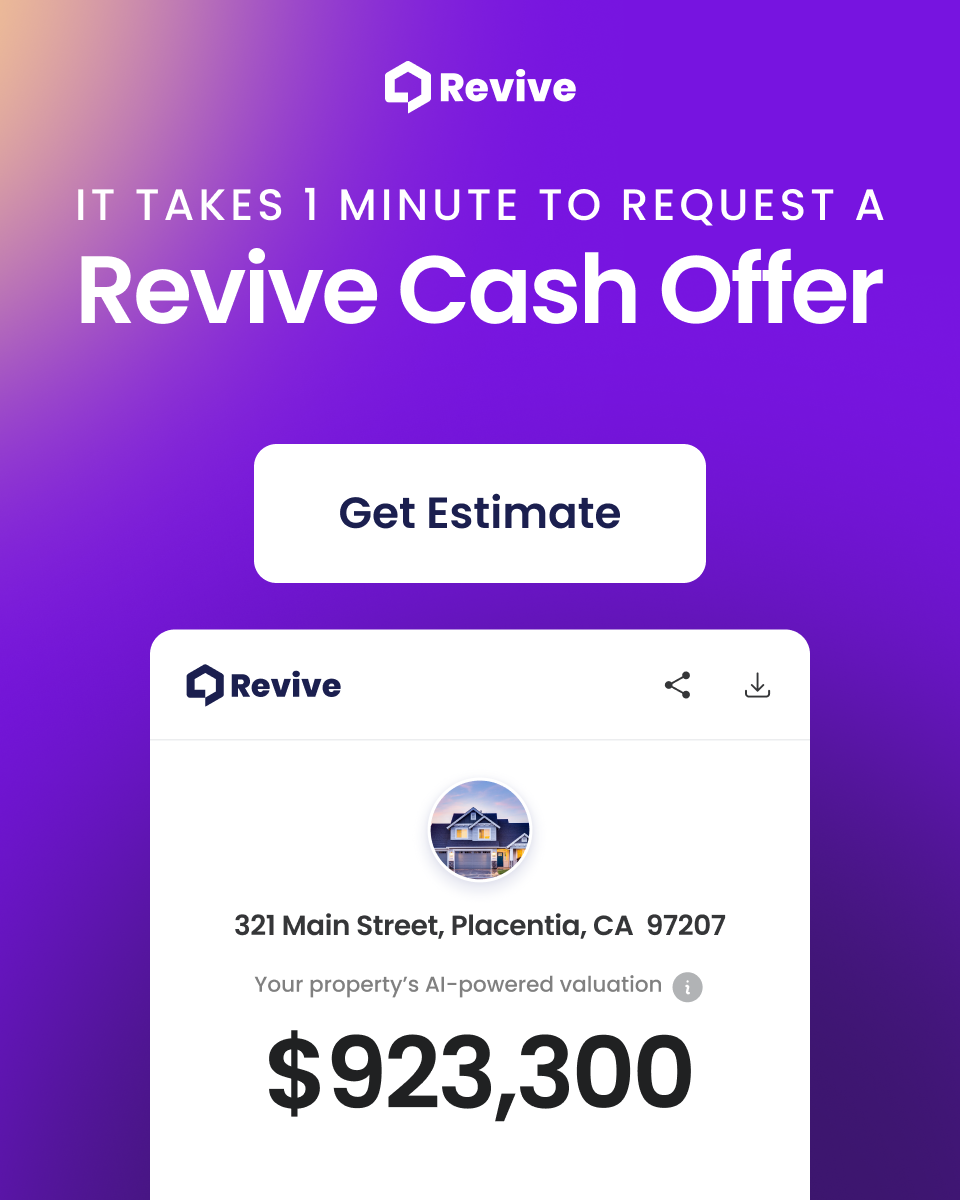
Sell 360 Cash Offer
Speed and certainty. Revive buys and renovates. Strong for motivated sellers who want to skip the process.
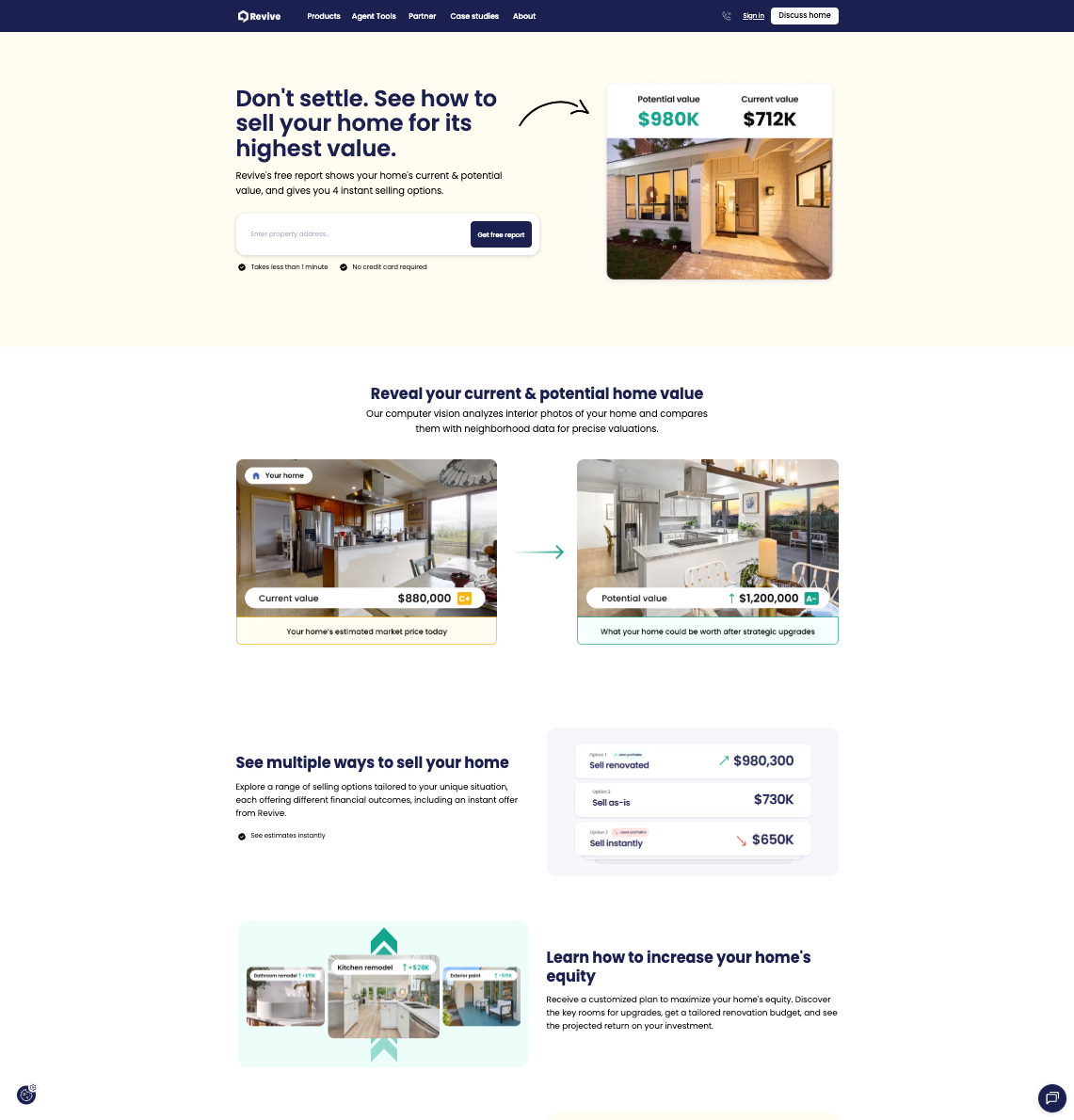
Home Analysis Report landing page
02 — How I Built It
The Channel Mix
Four channels. Each with a distinct role in the funnel.
Broad + retargeting audiences. Home Analysis Report was the primary hook. Whiteboard and UGC-style video creative significantly outperformed static.
Bottom-funnel keywords like 'sell my home fast' and 'home value calculator.' Lower volume than Meta but strong close-rate downstream.
Third-party intent leads. Strong appointment conversion — homeowners on these platforms are actively exploring options. Couldn't drive the volume at scale we needed.
Identified high-equity homeowners with life-event signals. Used for ISA outreach lists, not direct paid campaigns.
03 — The Data Layer
Metrics I Owned
CPL was the starting point. It was the most misleading one.
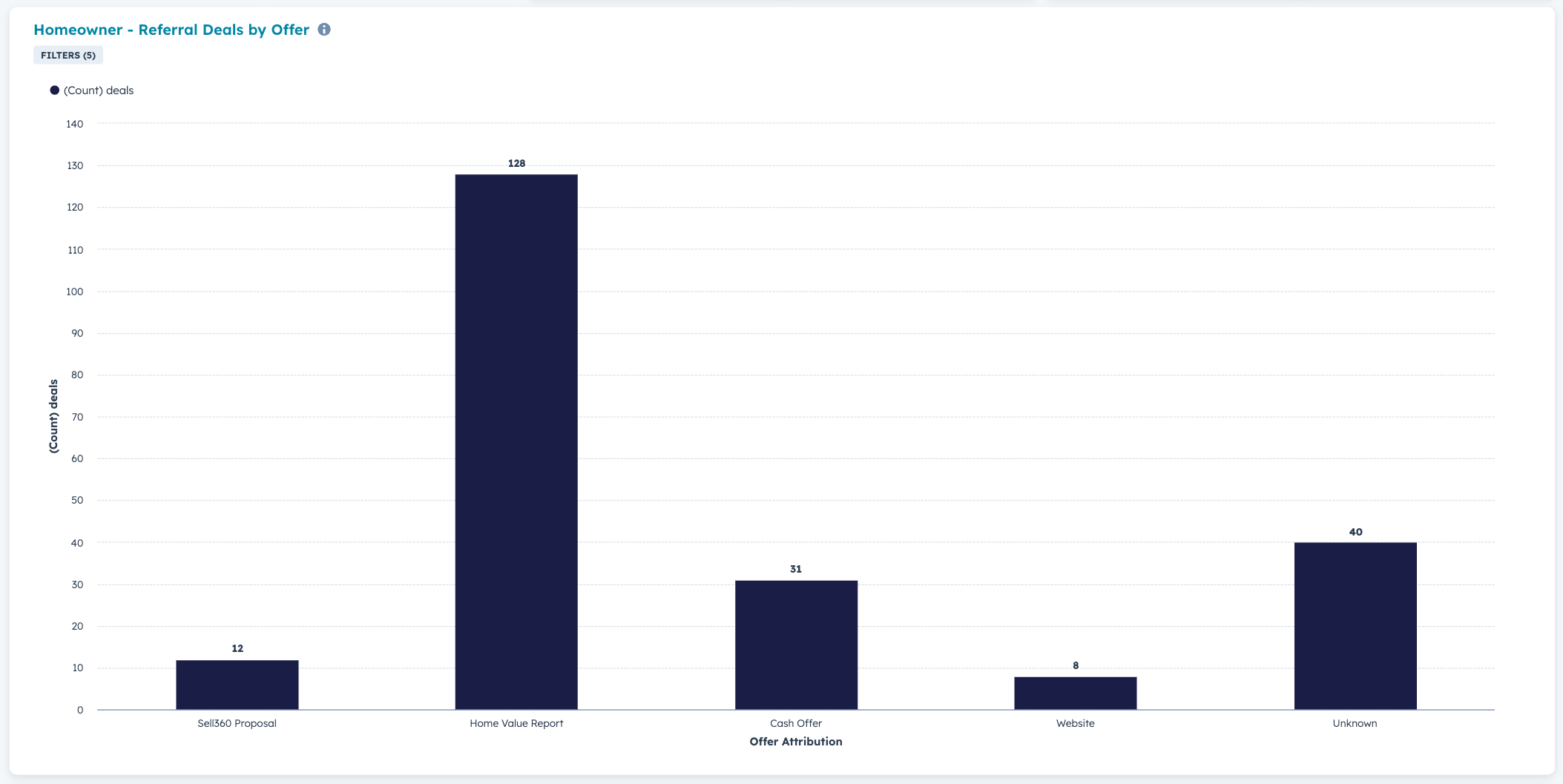
Deals by offer — HubSpot
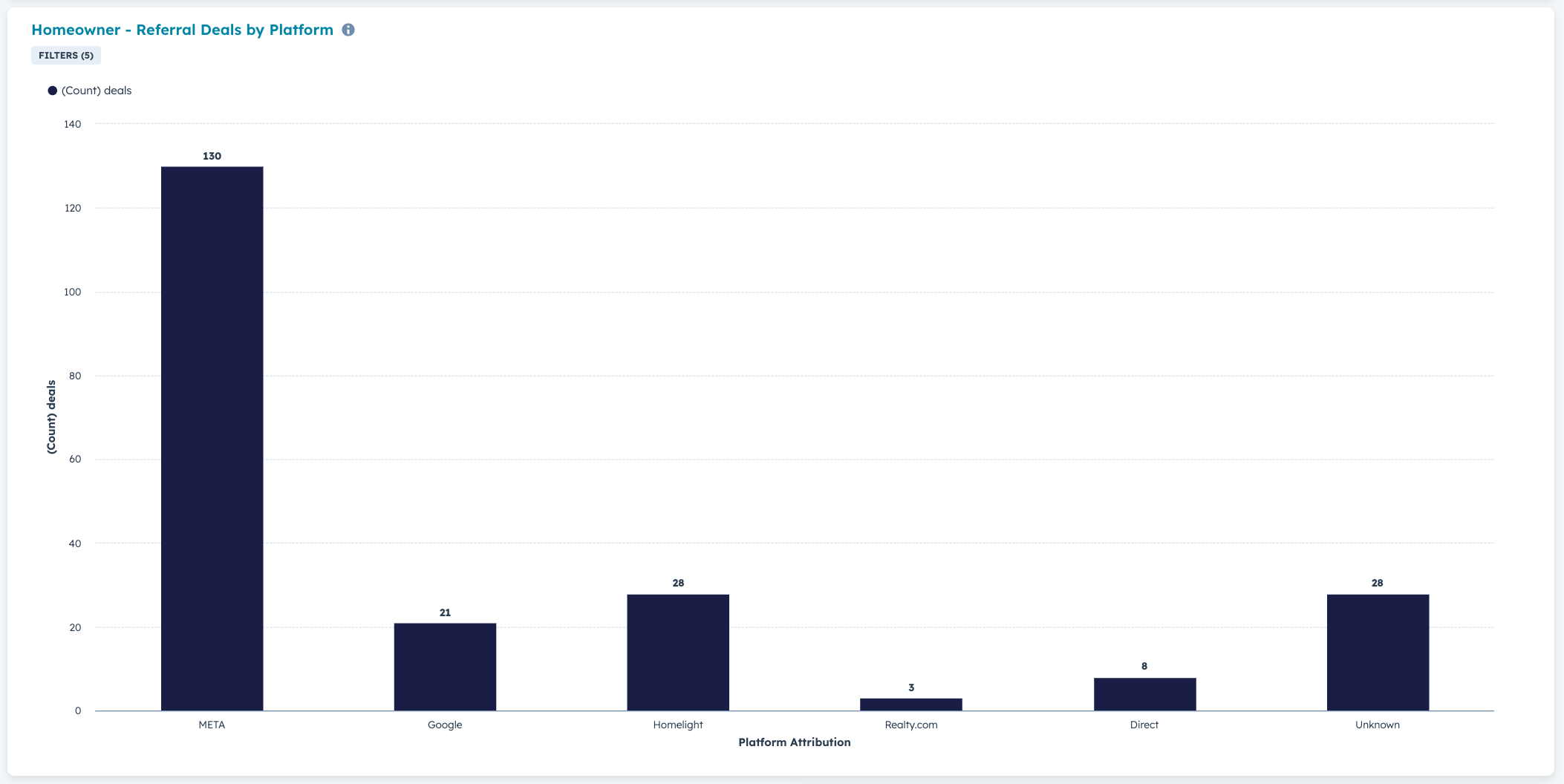
Deals by platform — HubSpot
03 — The Data Layer
How We Tracked It
Connecting ad spend to closed revenue — from scratch
UTM Standardization
Consistent UTM taxonomy across every ad, campaign, and platform. Every click tagged with source, medium, campaign, ad set, and offer.
HubSpot Lead Source Capture
Every inbound lead tagged at creation using hidden form fields. Custom HubSpot properties stored platform, campaign, and offer at the contact level.
Deal Attribution Workflow
Automated workflow that copied lead source data to the associated Deal record the moment it was created — no manual tagging, no gaps.
Full-Funnel Dashboard
HubSpot reports showing CPL, cost per appointment, and revenue by platform, offer, and market. Refreshed daily.
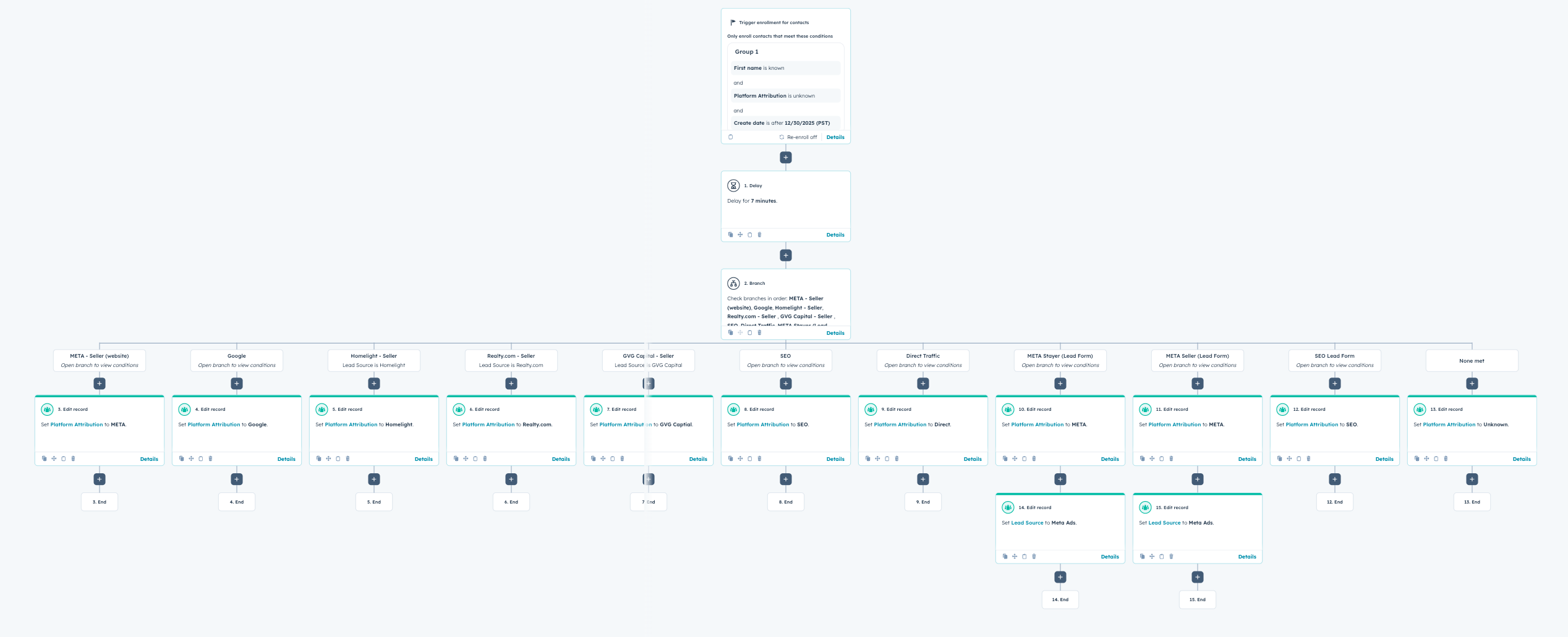
HubSpot deal attribution workflow
04 — How I Optimized
The Signal
Once attribution was live, the data told a clear story about where to spend
The Finding
Lower CPL, slower conversion
Google Search was generating leads at a lower CPL than Meta — which looked great on the surface. But once we could see the full funnel, the downstream appointment rate and close rate were materially lower. The leads were in-market, but earlier in their decision process.
Action Taken
Repositioned Google as a support channel, reduced share of budget. Focused it on highest-intent keywords only.
The Finding
Strong quality, limited scale
HomeLight and Realty.com leads converted to appointments at a strong rate — homeowners on those platforms are actively exploring their options. The problem wasn't quality; it was that we couldn't generate the volume we needed at scale through those channels.
Action Taken
Kept as a supplemental channel for quality. Couldn't rely on it as a primary volume driver.
The Insight
Best full-funnel economics
Meta could generate volume at scale AND close at a competitive rate when the offer and mid-funnel were right. The combination of the new offer strategy (Home Analysis Report) with the rebuilt ISA system made Meta the engine of the acquisition model.
Action Taken
Shifted majority of budget to Meta. Scaled spend as CPL dropped and full-funnel data confirmed unit economics.
04 — How I Optimized
The Mid-Funnel Fix
Cheaper leads only matter if someone can close them — the ISA system was the hidden bottleneck
The Result
Doubled without changing lead volume. This improvement, combined with the CPL reduction, fundamentally changed the cost per appointment.
Local Phone Numbers
Replaced a single national number with local area code numbers per market. Answer rates increased immediately — people pick up local calls.
10+ Touch Sequences
Built multi-step HubSpot sequences: call, voicemail, SMS, email, repeat over 10+ days. Leads no longer fell through the cracks after one unanswered call.
Personalized Scripts by Offer
ISA scripts and SMS templates customized for Home Analysis vs. Sell 360 leads. Relevance improved conversion at every stage.
AI Agent for Off-Hours
Built an n8n AI agent to handle initial qualification and appointment scheduling for leads that came in outside business hours. Reduced ISA load, improved speed-to-contact.
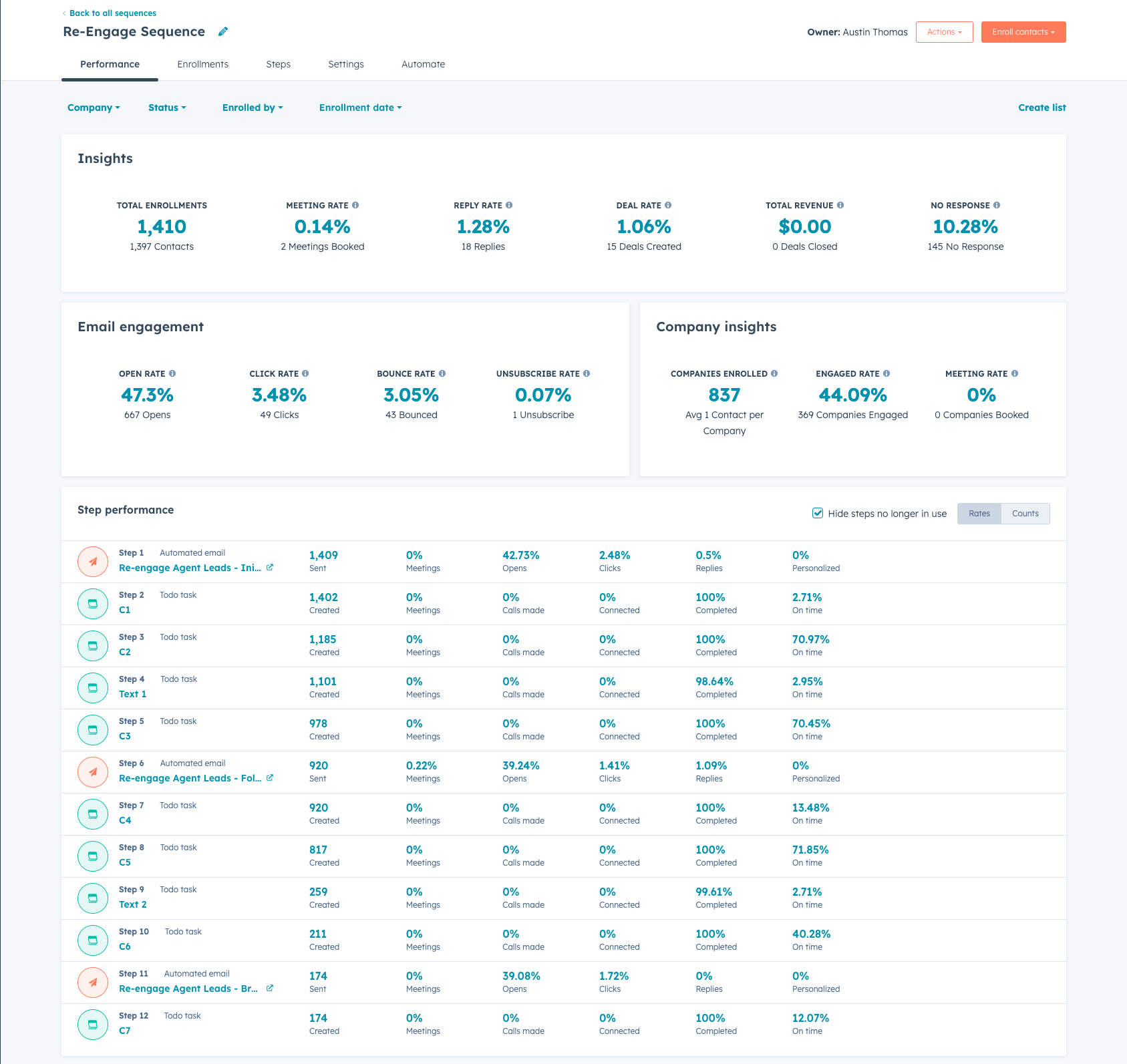
HubSpot ISA outreach sequence
05 — Results
What We Achieved
12 months of active campaign management
Cost Per Lead
Before
$230
After
$35
▼ 85% reduction
Appointment Set Rate
Before
2.5%
After
5.0%
▲ 2x improvement — cut cost per appointment in half
Deal Conversion Rate
7.4%
Appointments to closed deals
Full-funnel conversion benchmark
Total Revenue
$610K
2.83x ROAS
Closed Deals
26
Across all markets
Total Ad Spend
$215K
All channels combined
Cost Per Appointment
$614
Final achieved rate
05 — Results
What I'd Do Differently
Honest reflections on the tradeoffs we made
Build attribution before spending
Attribution was a priority in my head from day one, but took weeks to implement fully. In the meantime, we optimized for CPL and made budget decisions we later had to unwind. Now I treat attribution as a hard prerequisite to spending money — not a parallel track.
Fix the ISA system before scaling spend
We drove CPL down significantly before the ISA infrastructure was rebuilt. That meant a surge of leads hitting a system that couldn't contact them efficiently. I should have established a stable appointment set rate baseline before pushing for volume.
Run creative tests faster
The whiteboard video and UGC-style creative outperformed everything else — but we didn't discover that until months in. A faster creative testing cadence with a dedicated production workflow would have compounded the offer improvements much sooner.
Thank You
Questions?
Happy to go deeper on any part of this — the data, the creative, the attribution build, or the ISA system.
Max Marker
max@RevOpsAutomation.ai